

Business Optimization
Automating a bad process gets you a bad process running faster. We start with an operational review — where the time goes, where the waiting happens, which steps exist only because of a system nobody has replaced — and redesign before we automate anything.
Fix the Process Before You Automate It
Automating a bad process gets you a bad process running faster. We start with an operational review — where the time goes, where the waiting happens, which steps exist only because of a system nobody has replaced — and redesign before we automate anything.
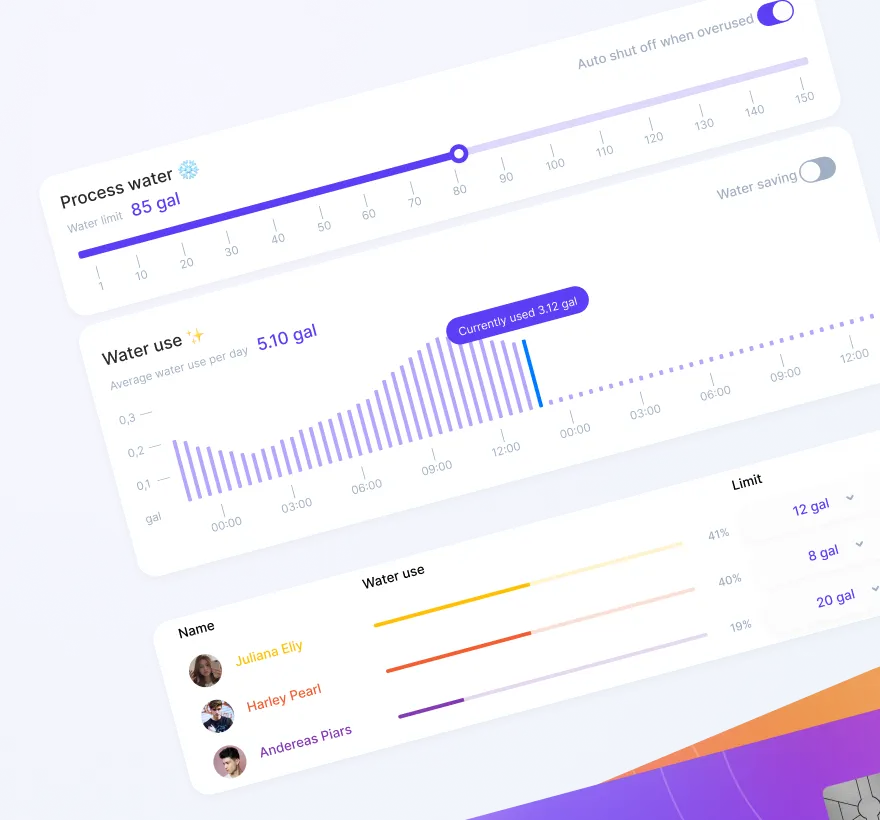
The review
An operational review is two to four weeks of watching, measuring and asking. It produces three things: a map of the process as it actually runs, a measured baseline for cycle time and rework, and a ranked list of changes with the effort each one takes.
Most of that list is not automation. It is usually a deleted step, a merged handover, a rule written down for the first time.
Key Advantages
Evidence First
A measured baseline, so improvement is a number rather than a feeling.
Fewer Steps
The cheapest step to automate is the one you delete instead.
Designed to Scale
Processes that hold their shape at three times the volume.
What we look for
- Waiting. In most processes we review, under a fifth of elapsed time is work. The rest is a queue.
- Rework. Anything that comes back is a specification problem upstream.
- Handovers. Every one is a place for context to be lost and a day to disappear.
- Shadow process. The spreadsheet, the group chat, the one person who knows. These are not failures; they are where the real rules live.
Then, the redesign
- Remove. Steps that exist for a system that no longer does.
- Merge. Handovers that no longer need two people.
- Parallelize. Reviews with no dependency between them.
- Automate. What is left, once it is worth automating.
We are explicit about the order. A team that automates first spends the next year maintaining the shape of a process it should have changed.